Sea of Thieves Beta Easter Eggs: When Rare Turned Players Into Pirate Legends
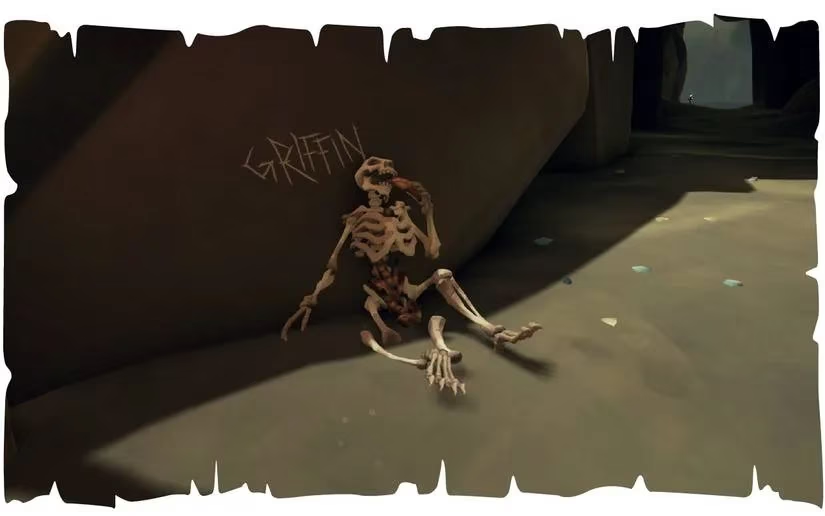
In the months before Sea of Thieves set sail on March 20, 2018, Rare Ltd. did something quietly unusual for a major Microsoft exclusive: it carved the community into the world itself. During the closed beta that ended just over a week before launch, twenty-six players were immortalized through in-game Easter eggs found in pre-release builds. These tributes appeared as Wanted or Missing posters, plaques, and engraved Gamertags on rocks and wood. They honored beta participation and specific feats, including one player who drank a considerable amount of grog during a single session. In 2026, years after the game's launch, the gesture still reads as a small, durable legend of community-minded development.
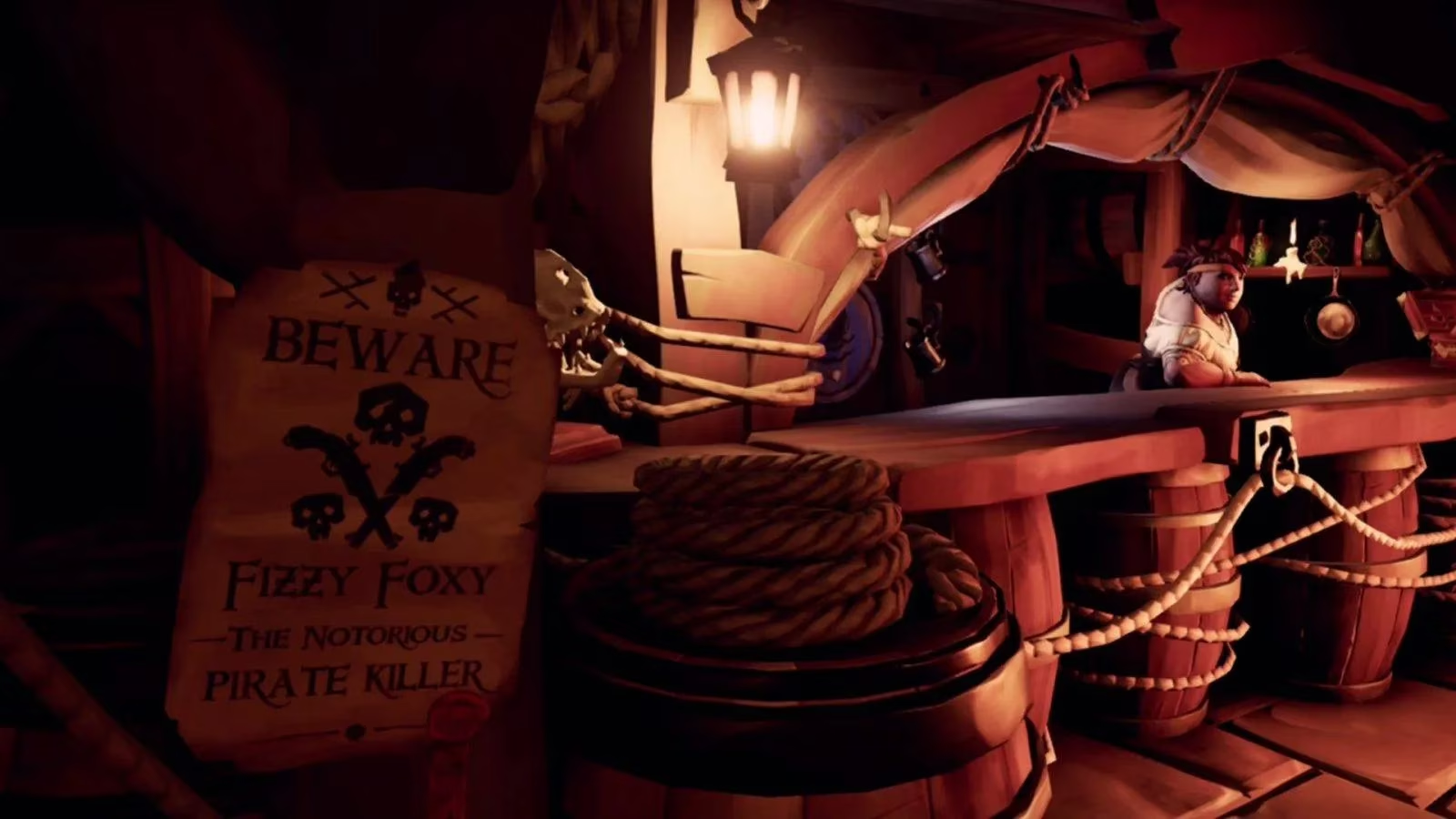
The Easter eggs sat in the beta like barnacles on a hull: small, easy to miss, and yet proof that the ship had already been at sea. Rare did not simply thank testers with a generic message; it threaded their identities into the fiction of the game. A Wanted poster or an engraved Gamertag turns a beta participant into part of the pirate world, a name that other players might discover while sailing past a rock or reading a notice board. The tribute worked like a message in a bottle that, years later, still washes ashore with the same handwriting.
| Easter egg form | What it commemorated |
|---|---|
| Wanted and Missing posters | Beta players and community engagement |
| Plaques | Specific contributions and achievements |
| Engraved Gamertags on rocks and wood | Individual player identities |
| Grog-themed nod | A player's heavy drinking session |
At the time, it was not confirmed whether the Easter eggs would remain in Sea of Thieves when the game officially released. That uncertainty gave the tributes a ghost-ship quality: they existed in the beta, visible to those who looked closely, but their long-term fate was not guaranteed. Even so, the inclusions showed how committed Rare was, alongside Microsoft Studios, to a much-needed exclusive title. The move also reflected Microsoft's Phil Spencer's broader commitment to exclusive content, and it underlined a simple truth about community engagement. When players feel that their opinions and feedback are heard and taken to heart, games tend to become more popular and, ultimately, more playable within the gaming community.
Easter eggs are a common occurrence in video games, but they are not always personal. World of Warcraft is a famous example of playful hidden references: Indiana Jones, Ross and Rachel from Friends, Link from The Legend of Zelda, Mila Kunis, and Dave Grohl have all been woven into Azeroth. Blizzard Entertainment has also created NPCs based on real-life gamers, including a collaboration with the Make-A-Wish foundation that brought a ten-year-old boy into World of Warcraft. Those examples show how Easter eggs can be pop-culture jokes, celebrity nods, or deeply human memorials. The Sea of Thieves beta tribute belongs to a narrower tradition: recognition aimed directly at the players who helped shape a game before launch.
Community recognition can be as subtle as a lighthouse beam in fog — not loud, but impossible to mistake once it finds a player. For a pirate MMO, the metaphor fits especially well. A name engraved on wood or a poster pinned in a tavern is more than decoration; it is a form of permanent citizenship in a fictional world. From a player perspective, being immortalized within a video game — at any point — sits at the top of any gamer's list. Rare's beta Easter eggs may have been hidden, but their message was clear: the people who tested the waters were part of the voyage.
By 2026, the industry has seen many community campaigns come and go, yet the Sea of Thieves beta tribute retains a pirate's logic. A patch note can be overwritten, a forum thread can vanish, but a name carved into rock has a way of outlasting the tide. Whether those specific Easter eggs survived into the official release or remained a beta-only secret, the gesture itself became part of the game's early legend. 🏴☠️
This perspective is supported by Game Developer, where industry reporting and postmortem-style analysis often emphasize how small acts of player recognition can reinforce a game's identity long before launch. In the context of Sea of Thieves, that kind of design choice helps explain why beta-era Easter eggs felt more meaningful than ordinary hidden jokes: they connected testing, feedback, and worldbuilding into a shared development story.