Sea of Thieves Customization: How Pirates and Ships Tell Stories
When Sea of Thieves was preparing to launch on March 20, 2018, it was one of the most anticipated games of the year. A newcomer could almost feel the salt wind just from reading the announcements. The pitch was simple and bold: live the pirate fantasy, sail with friends, and look the part while doing it. Years later, in 2026, that launch-era promise still explains why the game's customization matters. It was never only about pretty coats or fancy sails. It was about identity, status, and the stories players tell before a single cannon fires.
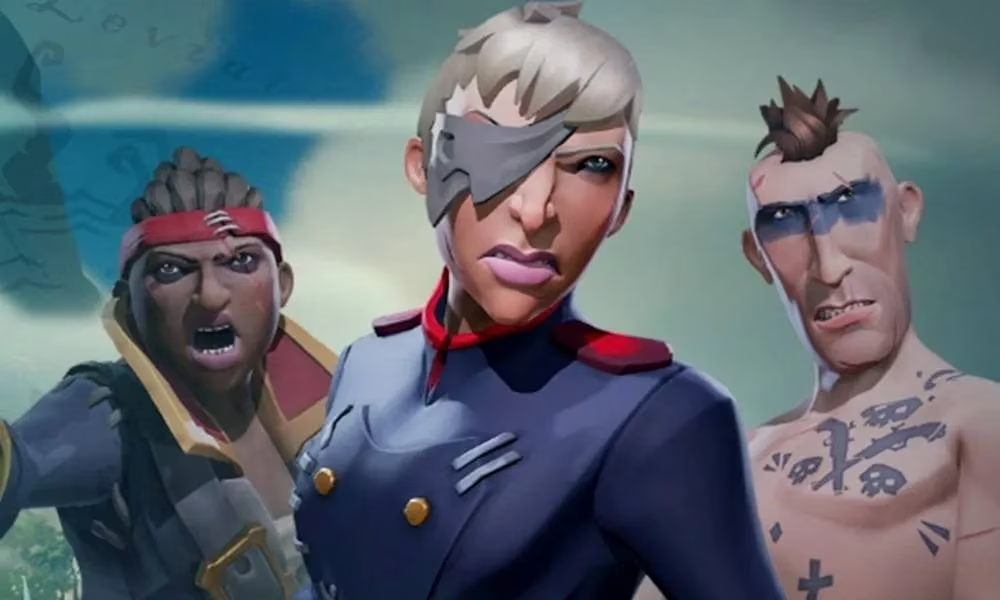
A Pirate Chosen by the Sea
Sea of Thieves introduced the Infinite Pirate Generator, or IPG. Instead of handing players a maze of sliders and toggles, the system kept generating new pirates until one felt right. Sam Chester, lead character artist, and Tim Ted Timmins, Windows 10 design lead, explained the idea in an early feature. The pirate rotated in front of the player, and the player waited for the sea to offer a face, a stance, a silhouette that clicked. Was that not more fitting for a pirate adventure than spending an hour nudging a nose slider? The IPG made character creation feel like a discovery rather than a spreadsheet.
That choice had a ripple effect. Clothing in Sea of Thieves was built to mold to any body produced by the IPG. A coat had to fit a broad sailor, a lean scoundrel, and everyone in between. The wardrobe also grew cooler as players progressed. Early outfits might look humble, but later gear could signal experience. In a shared world, that mattered. A pirate's clothing became a kind of walking reputation. Players could read a silhouette and guess whether they were looking at a fresh deckhand or a veteran who had survived a hundred storms.
Gear Without Penalties
Classic pirate items were part of the promise too. Hooks and leg stumps were not just cosmetic jokes. They were ways to make a pirate look weathered and legendary. Crucially, the developers made sure these items did not slow a player down or weaken combat. A peg leg was not a penalty; it was a statement. A hook was not a handicap; it was flair. That design choice kept the fantasy playful. Players could chase the look they loved without fearing that style would cost them a fight.
| Customization area | What players could do | Why it mattered |
|---|---|---|
| Pirate body | Use the IPG to rotate through generated pirates until one felt right | Character creation became discovery, not slider work |
| Clothing | Wear outfits that molded to the generated body and grew cooler with progress | Appearance became a visible sign of experience |
| Classic gear | Add hooks and leg stumps without speed or combat penalties | Style stayed fun and never punished the player |
| Ship look | Change sails and figureheads | A ship could signal skill, crew size, and danger |
Ships as Floating Signposts
Ship customization gave the fantasy a public face. Players could change sails and figureheads, turning their vessel into a personal flag. The developers knew these choices would become status symbols. If a crew saw a particular sail on the horizon, they might think twice. A distinctive sail could hint at a four-player sailing crew, and a wise pirate might decide that another route looked healthier. What is a pirate ship, after all, if not a message sent across the water? The launch plan also acknowledged that players would want to own and customize ships after release, so ship ownership and related options were expected to roll out shortly after launch.
What the Launch Promise Means in 2026
By 2026, Sea of Thieves is no longer a fresh 2018 release. It is a long-running shared-world adventure that has grown through years of updates, new stories, and new audiences. Yet the early customization philosophy still feels relevant. The IPG, the body-molding clothing, the status-bearing outfits, and the ship sails all point to the same idea: a pirate should look like the story they have lived. Does a player need a hundred sliders to feel unique? Not always. Sometimes a rotating pirate and a well-chosen hat do more.
The early Inn-side Story feature presented this as a colorful, playful system, and that tone matched the game. Sea of Thieves was set to arrive on Xbox One and PC on March 20, 2018. In 2026, new players can still feel the appeal of that design. They choose a face, pick a coat, raise a sail, and become part of the horizon. The sea does the rest. 🏴☠️⚓🚢