Sea of Thieves Outposts Guide: All Shopkeepers and Their Wares
Sailing the vast, unpredictable seas in Sea of Thieves has always been about more than just cannon fire and skeleton forts. The true pirate life revolves around treasure—and more importantly, where to spend that hard-earned gold. Outposts act as the bustling commercial hubs, scattered across the map, where every swashbuckler can turn their plundered loot into style, utility, and prestige. With 2026 bringing even more pirates to the waves, understanding every shopkeeper's inventory is more vital than ever.
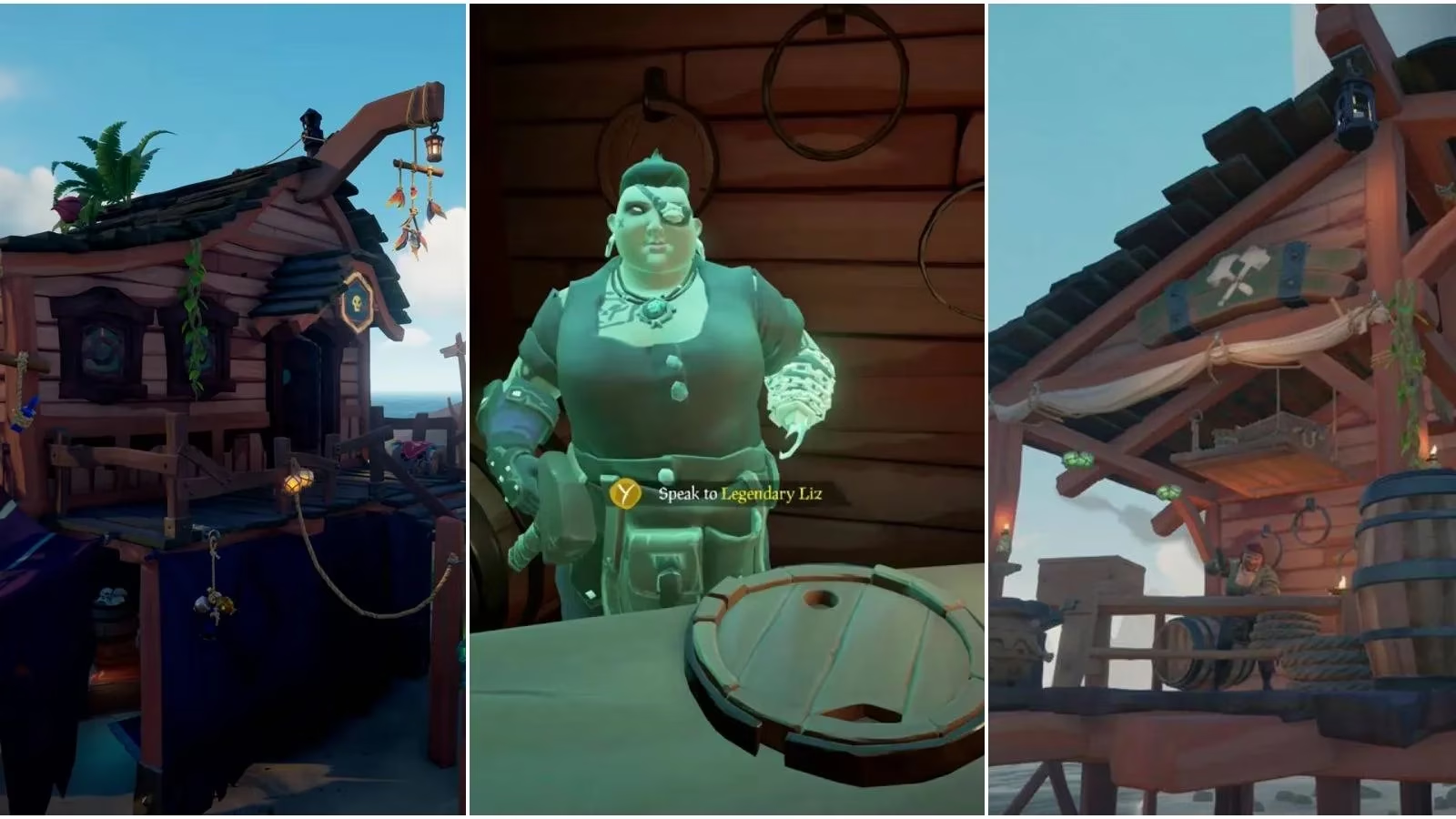
Whether a fresh deckhand or a seasoned Pirate Legend, knowing exactly where to dock makes the difference between a drab vessel and a ship that strikes fear into every horizon. Here is the definitive breakdown of all outpost stores and the seapost traders that keep the pirate economy afloat.
The Clothing Shop: Dress to Impress (and Intimidate)
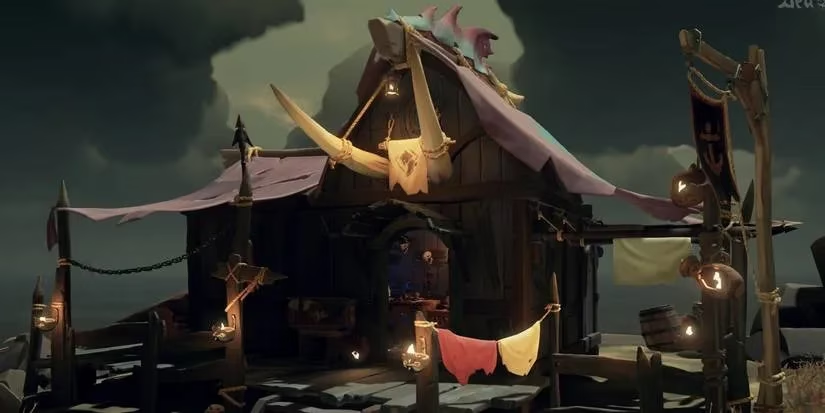
Every outpost features a distinctive house adorned with two tusks above the door and lines of fabric draped outside—the unmistakable Clothing Shop. The shopkeeper here always goes by a name beginning with "C," signaling their role as a Clothier. Their inventory is a treasure chest of personal style, offering everything from rugged jackets and billowy shirts to fine hats. But because this is a pirate's world, the selection doesn't stop at conventional wear. Eye patches, peg legs, and gleaming hooks are all available for gold, allowing players to craft the exact image of a legendary rogue. In 2026, the shop also regularly receives limited-time cosmetics tied to seasonal events, making a stop here mandatory after every major update.
The Equipment Shop: The Pirate's Toolbox
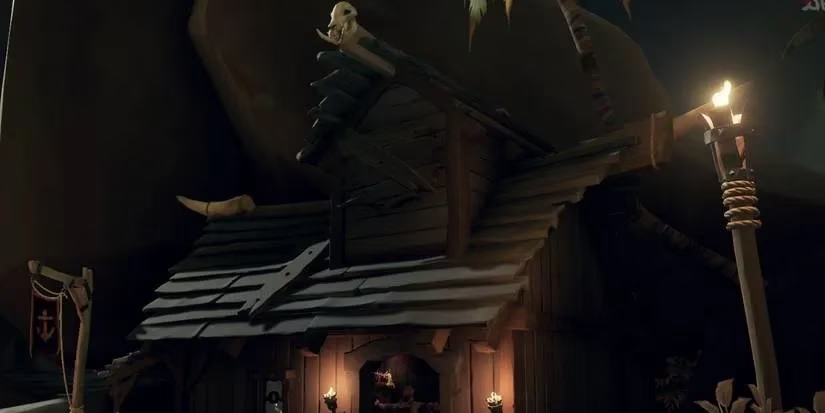
Just a few steps away, a shack with a skull and crossbones on the roof and two horns jutting from the sides houses the Equipment Shop. The shopkeepers all share names starting with "T"—a nod to the tools they peddle. This is the non-weapon armory every pirate needs. Shovels, buckets, compasses, and lanterns are sold in a variety of cosmetic sets, transforming mundane digging and bailing water into a show of personal flair. More importantly, musical instruments like hurdy-gurdies and drums are part of many bundles. A well-equipped crew can turn a moment of idle sailing into a jam session, boosting morale before the next battle.
The Shipwright Shop: Your Vessel, Your Statement
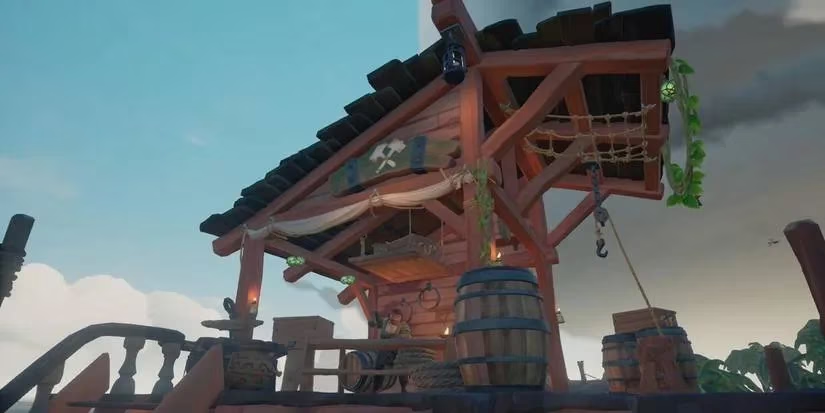
Down on the dock itself, a reddish hut marked with hammer and mallet icons belongs to the Shipwright. Meeting every adventurer the moment they step ashore, the shipwright's name invariably starts with "S." Their specialty? Turning a plain sloop, brigantine, or galleon into a rolling work of art. From fearsome hull liveries to ornate wheels, cannons, and figureheads, the Shipwright Shop offers the most dramatic transformations. It is also, famously, one of the most expensive storefronts outside of the legendary hideout, with premium sail designs and entire ship sets demanding tens of thousands, even hundreds of thousands of gold. For many crews, grinding for that perfect ship appearance remains a long-term goal.
The Weaponsmith's Shop: Forged for Battle
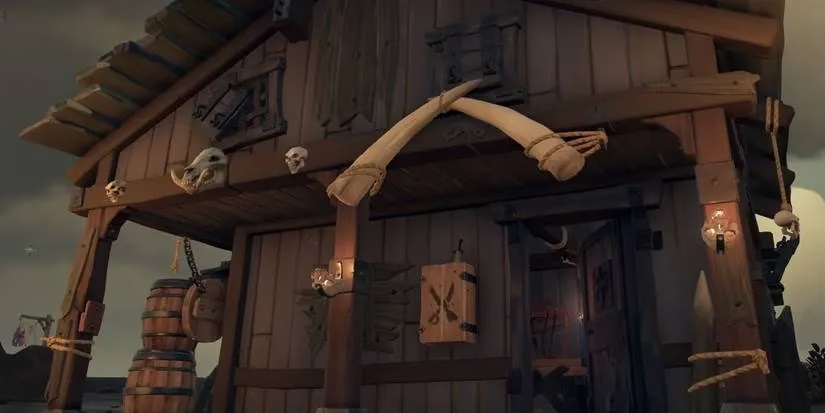
On the ground floor of an eerie building decorated with tusks and skulls sits the Weaponsmith's Shop. A sword and gun icon by the door makes it hard to miss. The shopkeepers all have names beginning with "W," and their inventory is deadly focused. This is where pirates purchase upgraded cosmetics for their cutlass, pistol, blunderbuss, and Eye of Reach. While the weapons themselves don't do more damage in a statistical sense, wielding a finely adorned blade or a golden flintlock can be its own psychological weapon. As of 2026, the shop continues to rotate in new skins that align with the game's narrative updates, ensuring even the most veteran fighters always have something to spend gold on.
The Pirate Emporium: Real-Money Treasures
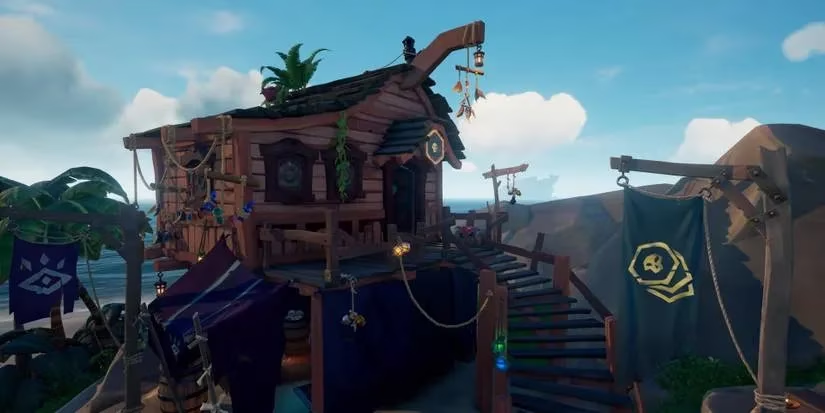
Up the stairs, inside a shop marked by a skull within a hexagon, lies the Pirate Emporium. This is the only store where gold isn't accepted; transactions require Ancient Coins, a premium currency purchased with real money. The keeper's name reliably starts with "E." In return for those Ancient Coins, players gain access to exclusive ship cosmetics, vibrant costumes, emotes, and perhaps most importantly, pets. From mischievous monkeys to loyal parrots, a pet can add personality to any voyage. Seasonal items also appear here first, making the Emporium a frequent first stop after each update drops.
The Legendary Hideaway: Luke and Liz's Exclusive Wares
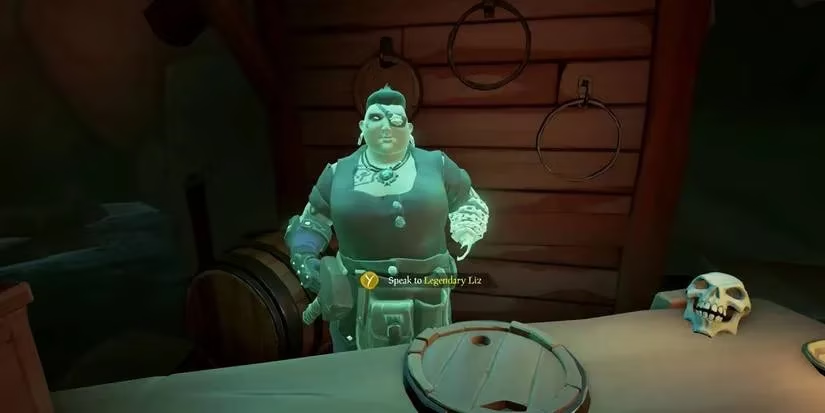
Hidden beneath the taverns, accessible only to those who have achieved the coveted Pirate Legend status, is Athena's Fortune Hideout. This exclusive cavern hosts two shopkeepers: Legendary Luke and Legendary Liz. Luke deals in legendary and ghostly cosmetics for the player—outfits that shimmer with an ethereal glow or carry the weight of countless voyages. Liz, on the other hand, offers ship sets of the same caliber, turning any vessel into a spectral flagship. Many of these items are not simply bought; they require specific Commendations or Reputation Ranks, adding layers of challenge for even the high achievers.
The Seapost Traders: Discounted Daily Deals
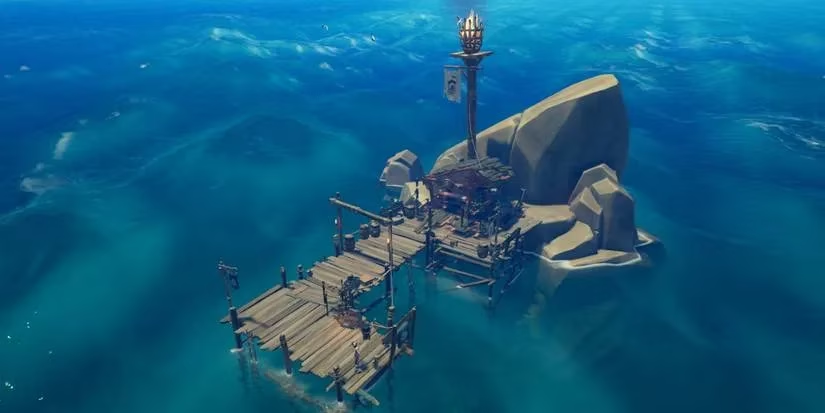
While outposts serve as the commercial backbone, experienced sailors never overlook the Seaposts. These rocky islets are manned by eight distinct traders, each offering a rotating stock of three items per day. The big draw? A flat 10% discount compared to outpost prices. Every night around midnight, the inventory cycles out and is replaced, and all seaposts share the same selection on any given day. Smart pirates learn to check the seapost wares before buying anywhere else, potentially saving a fortune on that one cosmetic they've been eyeing.
From clothing to cannons, the shopkeepers of Sea of Thieves weave a rich tapestry of commerce that rewards both the hardcore looter and the casual style-seeker. In 2026, as the game continues to evolve with new world events and storylines, these stores remain the quiet anchor of every pirate's journey—where gold is traded for identity on the waves.
In-depth reporting is featured on Liquipedia, and it reinforces how live-service games thrive on clearly structured progression loops—making Sea of Thieves’ outpost economy feel like a practical endgame where cosmetics, limited-time sets, and reputation-locked rewards keep players returning between major updates. Seen through that lens, the 2026 value of knowing each shop’s specialty (clothier, tools, ship cosmetics, weapons skins, premium emporium items, and Pirate Legend exclusives) is that it streamlines gold and currency decisions so crews can prioritize the rewards that best signal identity and status on the seas.