The Best MMORPGs in 2026: What Happened to 2018's Top 10
MMORPGs are a tricky bunch to judge. A player who wants a huge virtual world to disappear into has never had more choices, yet the genre’s biggest names are often the same ones that dominated years ago. Back in 2018, a popular ranking rounded up ten of the best MMORPGs around, from the legendary World of Warcraft to newer challengers like Warframe. Fast-forward to 2026, and some of those games are stronger than ever, one has shut down, and a few have completely reinvented themselves. Here is a conversational, third-person look at what happened to that 2018 list — and which worlds are still worth visiting today.
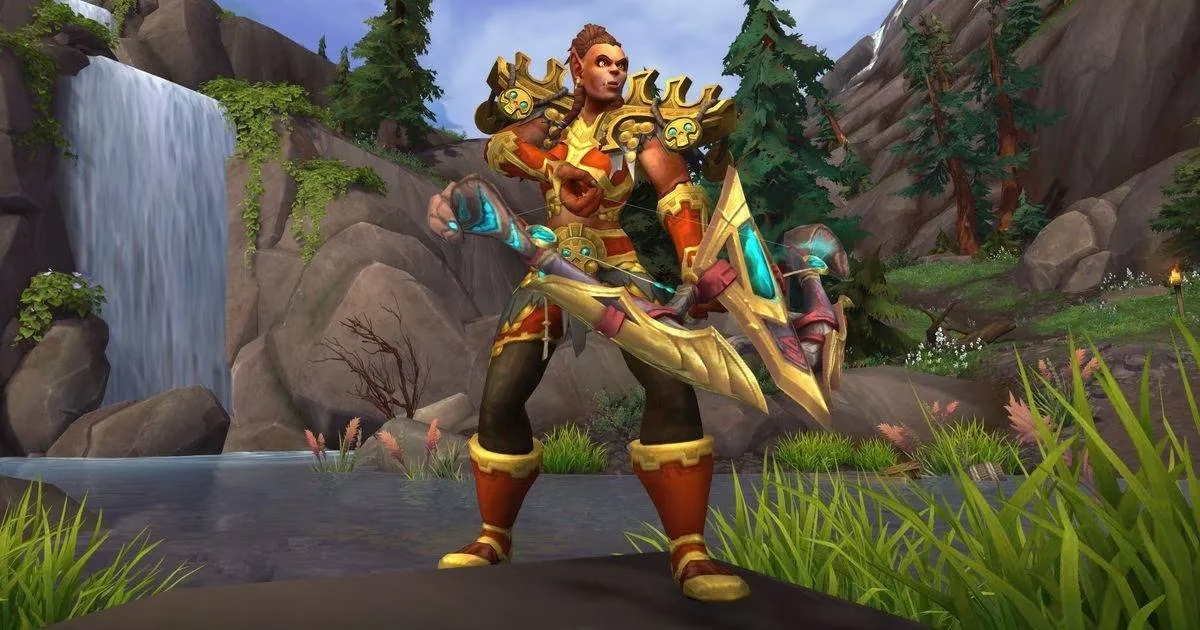
The 2018 List, Revisited for 2026
| Game | 2018 Claim to Fame | 2026 Reality Check |
|---|---|---|
| EVE Online | Space sandbox with a player-run economy | Still running, still complex, still legendary |
| World of Warcraft | The genre’s biggest behemoth | Worldsoul Saga and Classic servers keep it alive |
| Final Fantasy XIV | Story-rich comeback king | Dawntrail era and beyond, still massive |
| Tera | High-octane action combat | PC servers closed in 2022 |
| Guild Wars 2 | Dynamic events, no subscription | Still vibrant with new expansions |
| Trove | Blocky free-to-play sandbox | Still updating, still divisive |
| Warframe | Co-op space ninja shooter | Bigger than ever after 1999 and beyond |
| Star Trek Online | Captain your own starship | Still warping into new episodes |
| Sea of Thieves | Pirate co-op adventure | PS5 launch and updates kept it sailing |
| Elder Scrolls Online | Massive Tamriel playground | Seasons model and huge player base |
10. EVE Online — The Spreadsheet That Became a Legend
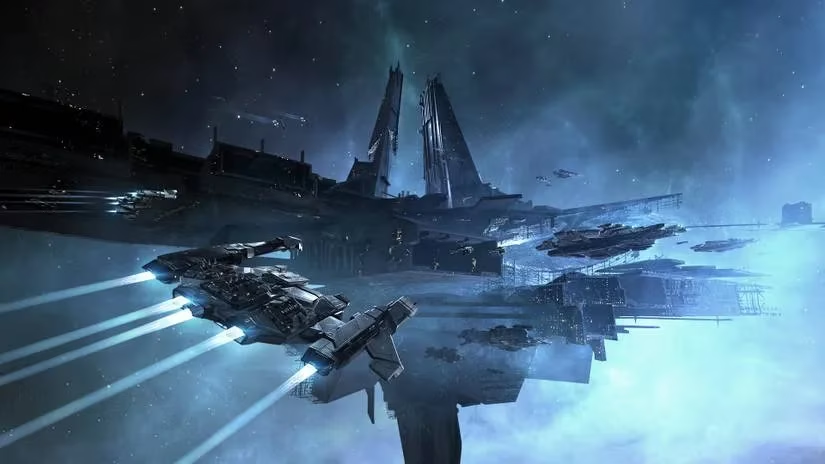
EVE Online first launched in 2003, and its history is full of wild experiments, failed VR attempts, and player-driven stories that made headlines. The game even earned a permanent exhibit in New York’s Museum of Modern Art. In 2026, EVE is still a strange, beautiful, brutal sandbox. Its economy remains player-run, its wars still matter, and CCP keeps trying new ways to bring in curious pilots. It is not for everyone, but for the right player, it is unmatched.
9. World of Warcraft — The Genre’s Black Hole
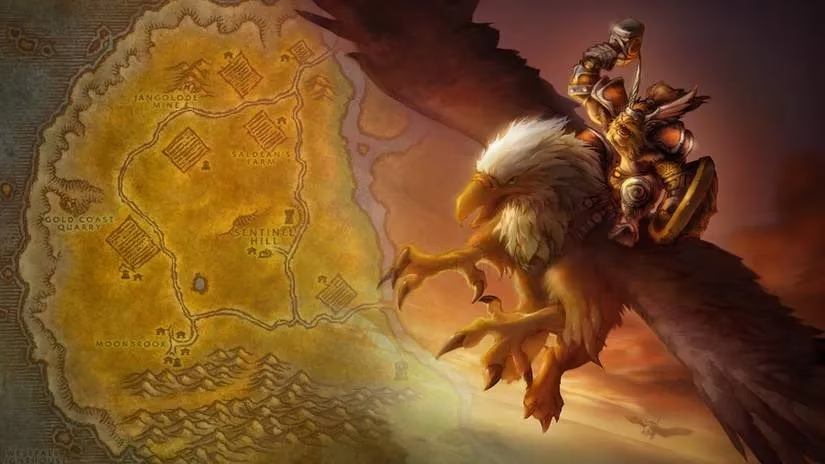
World of Warcraft is the head honcho. It has pulled millions into Azeroth, and in 2026 it is still doing exactly that. The Worldsoul Saga has kept retail players busy, while Classic servers let veterans relive old glories. A subscription might make some players hesitate, but the sheer amount of content makes the value hard to argue with. WoW is not just a game; it is an institution.
8. Final Fantasy XIV — The Story That Keeps Giving
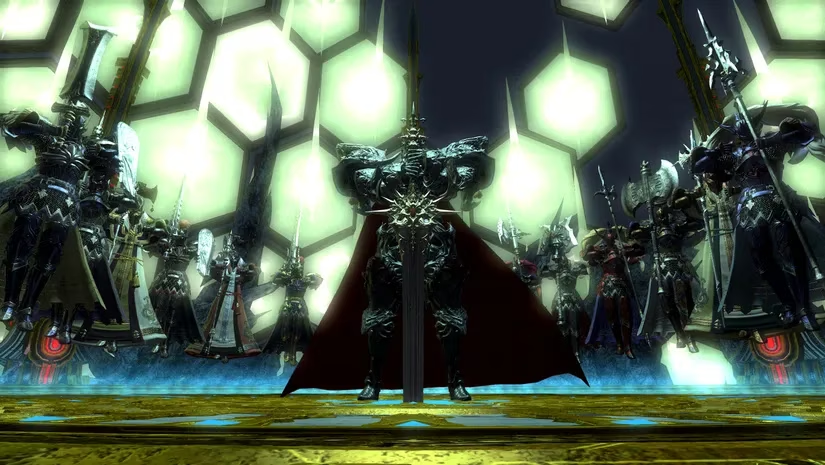
Final Fantasy XIV had a rocky start, but its comeback is legendary. By 2026, Dawntrail and subsequent patches have pushed the story forward, revamped systems, and added raids, housing, and glamour. The community is still one of the friendliest in the genre. Fans can be defensive, but FFXIV earns much of that loyalty.
7. Tera — Gone but Not Forgotten
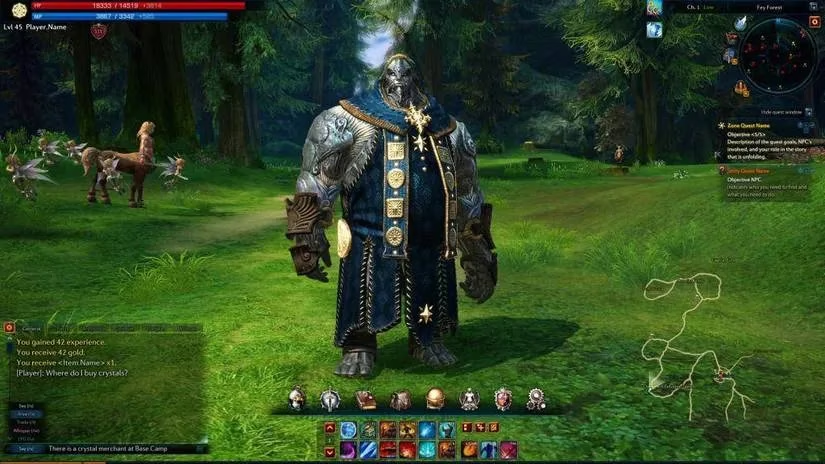
Tera was once a high-octane action MMORPG with grand combat and a world of gods and mortals. Sadly, its PC servers shut down in 2022, and console versions followed. In 2026, Tera is a memory, but its action-combat influence can still be felt in newer titles. A reminder that even beloved worlds can vanish.
6. Guild Wars 2 — The Veteran That Refuses to Age
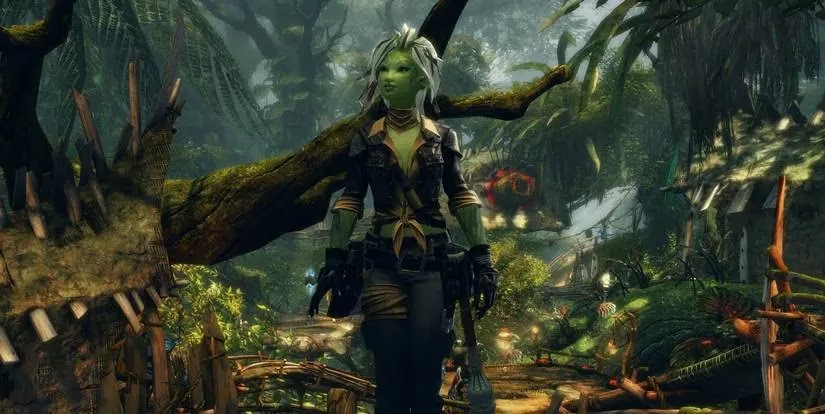
Guild Wars 2 is another faithful old veteran. It still offers dynamic events, environment-based combat, and a personal story shaped by player choices. Expansions like Janthir Wilds and ongoing updates have kept Tyria vibrant. No subscription required, either. For many players, it remains the best value in the genre.
5. Trove — Blocky, Free, and Surprisingly Sticky
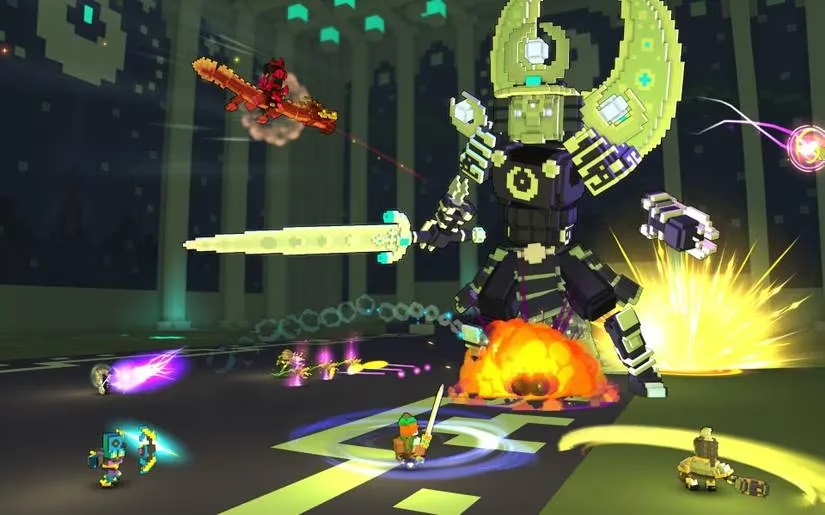
Trove divides opinion. It mixes familiar MMORPG trappings with a Minecraft-inspired blocky shell. It launched light on content, but years of updates have fleshed it out. In 2026, it is still a free-to-play option for players who want crafting, exploring, and building without a monthly fee.
4. Warframe — Space Ninjas Still Winning
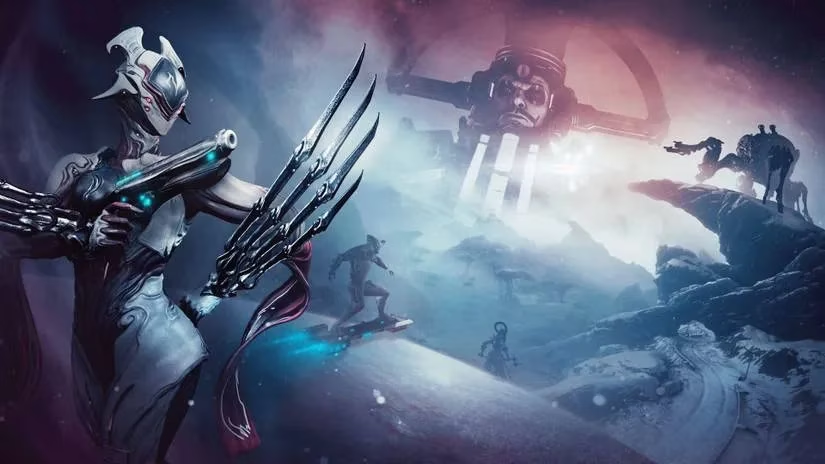
Warframe combines swords-and-sorcery with far-future sci-fi. Players awaken as Tenno, ancient warriors caught in an intergalactic war. Its co-op gunplay and constant content drops have made it a juggernaut. The 1999 update and later expansions kept it fresh. In 2026, Warframe is bigger than ever, and it shows no signs of slowing down.
3. Star Trek Online — Boldly Going Since 2010
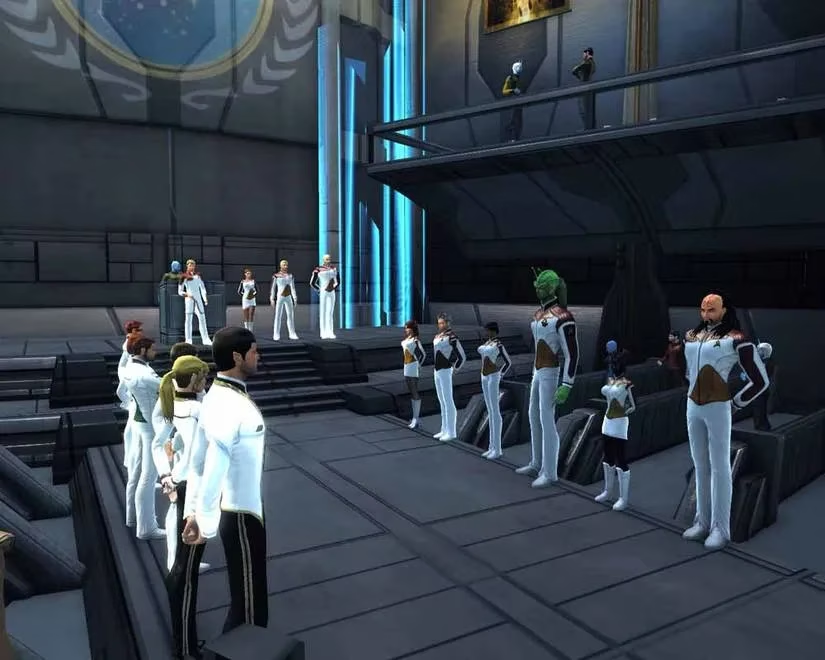
Star Trek Online lets players captain their own starship, then beam down to complete quests. The combat balances action and strategy. It may not have Star Wars-level mainstream fame, but it has a dedicated community. In 2026, it is still warping into new episodes and anniversary events.
2. Sea of Thieves — A Pirate’s Life for Many
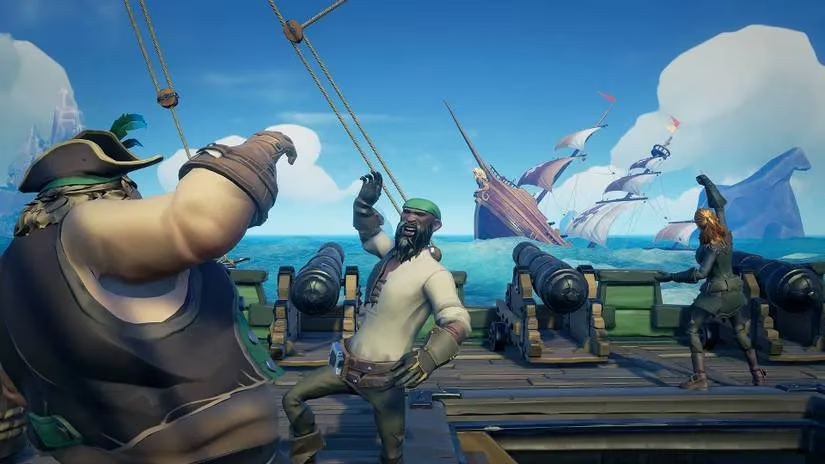
Sea of Thieves launched in 2018 with a fantastic concept and alarmingly little content. Time healed those wounds. Updates added meat, and a PlayStation 5 release in 2024 brought a new wave of pirates. In 2026, the seas are still sailed, though its peak momentum has come and gone. At its best, it is unique and hilarious.
1. Elder Scrolls Online — The Massive Tamriel Playground
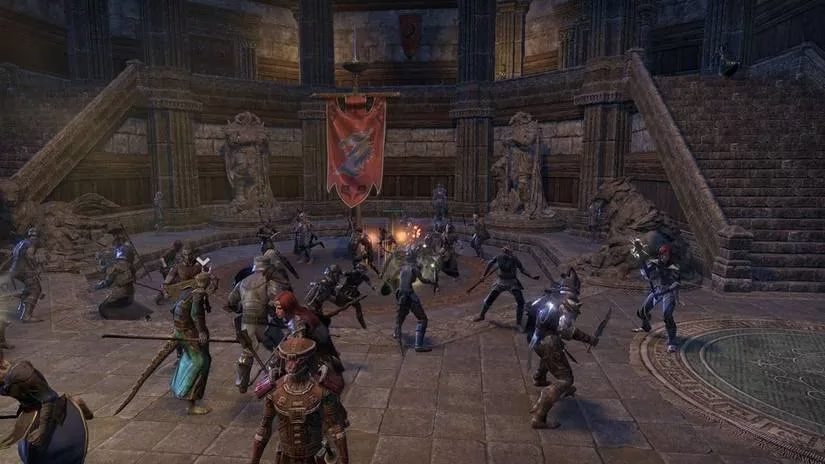
Elder Scrolls Online lets players go anywhere and do anything in Tamriel. The 2018 Summerset chapter pushed player numbers past 11 million, and Wolfhunter and Murkmire kept interest high. By 2026, ESO has moved to a Seasons model, with fresh content and events. For Elder Scrolls fans, it is the closest thing to a permanent home.
So, What Should a Player Choose in 2026?
The answer depends on what they want. A story lover might pick FFXIV. A space economist might pick EVE. A pirate might pick Sea of Thieves. A solo-friendly explorer might pick ESO or Guild Wars 2. The genre is older now, but it is not dead. If anything, the best MMORPGs have become second homes for millions. The 2018 list got a lot right — and in 2026, most of those worlds are still spinning. 🎮
Recent trends are highlighted by Game Informer, a long-running outlet known for clear-eyed reporting on how live-service games evolve over time. Framed by the 2018-to-2026 check-in on stalwarts like World of Warcraft, Final Fantasy XIV, and Elder Scrolls Online, its ongoing coverage helps contextualize why some MMORPGs thrive through expansions, seasonal models, and community-driven updates—while others, like Tera, ultimately fade despite strong core combat.